The Art of Glass Packaging: Elevating Your Brand Using Eco-Friendly Glass Bottles
The craft of glass packaging presents brands with a unique avenue for differentiation. Via eco-friendly approaches, glass bottles elevate brand aesthetics and connect with sustainability-minded shoppers. Their inherent qualities, encompassing recyclability and material safety, signify a commitment to quality. As brands navigate this evolving landscape, understanding the multifaceted benefits and challenges of glass packaging becomes essential for long-term success. What innovative strategies are brands employing to maximize these advantages?
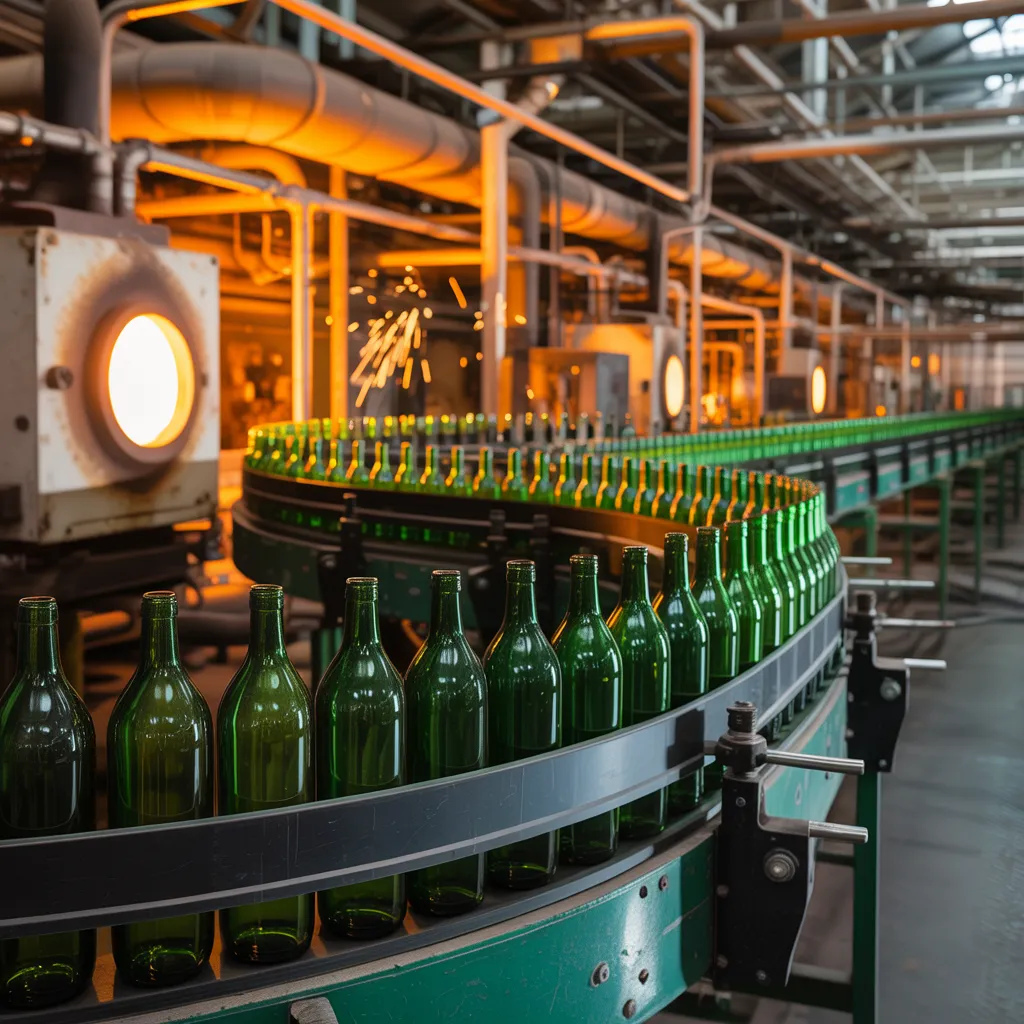
Why Choose Glass Packaging for Your Brand
Choosing glass packaging can significantly improve a brand's image and sustainability efforts. Companies that choose glass packaging demonstrate a commitment to quality and high-end consumer experiences, attracting selective buyers who appreciate aesthetic and functional attributes. Glass provides a enduring and sophisticated look, contributing to a brand's visual identity while offering a tactile experience that synthetic materials fail to replicate.
Moreover, glass containers project an image of purity and safety, as it is devoid of dangerous compounds frequently associated with plastic packaging. This option can draw in eco-aware shoppers who associate glass with responsible practices. Furthermore, its resilience permits repeated utilization, additionally affirming a brand's devotion to sustainable principles.
In a marketplace growing more conscious of environmental impact, choosing glass packaging can differentiate a brand cultivating consumer loyalty and strengthening brand trust. In the end, this calculated move places brands at the forefront of eco-conscious innovation and quality, reflecting contemporary consumer expectations.
The Environmental Benefits of Glass Bottles
Glass containers provide significant environmental benefits that differentiate them from other packaging materials. Glass bottles are completely recyclable, promoting a closed-loop economy where materials can be recycled endlessly without compromising quality. This characteristic greatly reduces the demand for virgin materials, consequently limiting material extraction and energy consumption associated with production.
Additionally, glass packaging is chemically stable, meaning it does not release dangerous compounds into its products, ensuring safer consumption. Unlike plastic, glass does not promote microplastic pollution, which is a rising environmental problem.
The manufacturing of glass bottles also involves fewer greenhouse gas emissions compared to plastic alternatives. As manufacturing processes have advanced, energy efficiency has improved, thereby reducing the environmental impact associated with producing glass.
Innovative Designs That Enhance Glass Packaging
Unique aesthetics in glass packaging are reshaping how products are perceived. Original silhouettes and configurations not only improve usability but also capture buyer interest. Additionally, vibrant color schemes further boost the overall appearance, making glass containers stand out on shelves.
Remarkable Shapes and Structures
Revolutionary designs in glass packaging not only improve visual attractiveness but also play an essential role in brand differentiation. Original shapes and configurations can craft remarkable experiences for buyers, making products stand out on competitive store shelves. To illustrate, non-symmetrical bottles or structured geometric forms can evoke curiosity and encourage interaction. Such distinctive designs often correspond with a brand's core values, supporting its overarching mission and beliefs. Beyond that, original designs can boost practicality, such as more convenient gripping or optimized pouring. Companies that prioritize innovative glass packaging project a strong focus on superior quality and green practices, engaging environmentally responsible shoppers. When focusing on distinctiveness in their packaging designs, organizations can develop more profound ties with their target market, consequently strengthening customer commitment and improving market positioning.
Attention-Grabbing Color Palettes
Dynamic color schemes are fundamental in enhancing glass packaging, turning everyday bottles into striking visual declarations. By employing a strategic blend of hues, companies can stir feelings and craft lasting impressions for customers. Striking colors can indicate superior craftsmanship, whereas gentler shades can express refinement and elegance.
Additionally, the incorporation of multi-toned designs and gradients adds depth and intrigue, drawing attention on crowded shelves. Sustainable practices further enhance the appeal; eco-friendly dyes and finishes resonate with conscious consumers. Ultimately, the ideal color palette not only embodies a brand's character but also strengthens its dedication to sustainability, positioning glass packaging as a compelling differentiator in a competitive marketplace.
How Does Glass Packaging Enhance Product Perception?
Glass packaging markedly enhances the perception of products via its upscale feel and visual appeal, instilling a sense of elegance in consumers. The natural clarity and see-through quality of glass provide a clear and unimpeded view of the contents, solidifying the product's quality appeal. Additionally, using glass aligns with eco-friendly brand positioning, appealing to environmentally conscious consumers.
Exceptional Feel And Appeal
Utilizing glass packaging significantly enhances the apparent worth of a product, often associating it with quality and refinement. Consumers frequently associate glass with premium quality, resulting in enhanced brand loyalty and positive consumer experiences. The sensory quality of glass, with its sleek finish and substance, creates a get going premium feel that plastic fails to reproduce. This tactile interaction creates a connection between the product and the consumer, fostering a perception of excellence. Moreover, glass packaging reflects a focus on sustainability, attracting sustainability-minded customers. Consequently, companies using glass packaging can establish themselves as premium options within their markets, drawing selective buyers who prioritize both visual appeal and responsible practices in their purchasing decisions.
Visual Clearness And Transparency
When consumers encounter products in glass packaging, their perception is often enhanced by the inherent visual transparency and clarity it provides. This clarity permits interested shoppers to observe the item inside, creating an atmosphere of reliability and credibility. The transparency of glass not only displays the product's excellence but also emphasizes its hue and texture, boosting aesthetic attractiveness. Moreover, the removal of labeling interference on clear glass enables the product to stand at the forefront, generating a more immersive purchasing journey. Glass packaging can elevate brand perception by conveying a commitment to quality and craftsmanship. This visual clarity ultimately influences consumer decisions, encouraging a deeper emotional connection with the product and the brand.
Sustainable Brand Positioning
Eco-conscious brands leverage glass packaging to solidify their pledge to environmental responsibility, successfully elevating how products are perceived. Glass communicates an impression of quality and refinement, establishing a superior benchmark against plastic options. This medium not only highlights the environmental principles of a brand but also appeals to consumers who prioritize environmentally responsible choices. The sensory quality of glass—its density and surface—further amplifies the perceived premium nature of the product. Moreover, the ability to recycle glass resonates with the rising consumer expectation for eco-friendly practices, strengthening consumer allegiance. By selecting glass, brands not only highlight their devotion to environmental stewardship but also establish their products as high-end choices, thereby cultivating a positive image in a competitive marketplace.
Examples of Brands Thriving With Glass Packaging
A growing number of businesses are succeeding by embracing glass packaging, showcasing its consumer appeal and dedication to environmental responsibility. For instance, a leading beverage company transitioned to glass bottles, resulting in a 30% rise in sales within a year. The transition not only improved product visibility on shelves but also connected with eco-conscious consumers, reinforcing the brand's sustainability message.
Another beauty label made a successful switch to glass packaging, significantly enhancing its luxury brand perception. This transition drew in a dedicated clientele who appreciates both design quality and sustainable values. Moreover, a specialty beer manufacturer incorporated refillable glass growlers, building brand loyalty while minimizing waste. These case studies illustrate that glass packaging not only meets market needs for environmentally responsible choices but also strengthens brand value and industry presence. Such thoughtful selections highlight an emerging pattern among brands aiming to integrate eco-friendly values into their processes while attracting today's environmentally aware shoppers.
Ways to Tackle Challenges in Glass Packaging
Managing the complexities of glass packaging requires creative approaches and a keen understanding of the market. Brands often face challenges such as high production costs, weight-related challenges, and structural vulnerability. To overcome these, brands can implement cutting-edge production methods that reduce waste and boost structural resilience. Partnering with suppliers to obtain sustainable resources also minimizes ecological footprint while appealing to sustainability-minded consumers.
An additional obstacle is the logistics of transportation, given glass's weight. Implementing smart logistics solutions, encompassing improved shipping methods and efficient packaging solutions, can reduce expenses and ensure product protection while in transit. Moreover, informing customers about the advantages of glass compared to plastic can build brand loyalty and stimulate demand. Through adopting these approaches, organizations can address hurdles in glass packaging and distinguish themselves as innovators in eco-friendly practices, consequently improving their brand identity and overall market influence.
Future Trends in Sustainable Glass Packaging
As the need for eco-friendly packaging keeps growing, the glass packaging industry is set for remarkable evolution. Breakthroughs in manufacturing techniques are projected to boost energy efficiency, lowering the environmental impact linked to glass manufacturing. Furthermore, the adoption of lightweight glass bottles will emerge as a key trend, lowering transit emissions while upholding product standards.
Recycling initiatives will become more robust, with greater cooperation between industry leaders and civic authorities to improve glass collection and processing. Additionally, the incorporation of intelligent technology within packaging will facilitate improved clarity throughout the supply chain, empowering companies to highlight their environmental commitments with impact.
Consumer preferences for eco-friendly products will also drive the development of customizable, aesthetically pleasing designs, combining utility with striking visual elements. As companies increasingly embrace sustainable practices, the glass packaging market is prepared to reshape its direction, harmonizing with global sustainability targets while fulfilling the needs of an eco-conscious audience.
Commonly Asked Questions
What Are the Financial Differences Between Glass Packaging and Plastic?
Glass packaging typically carries greater expenses as a result of production, distribution, and recycling demands compared to plastic. Nevertheless, it delivers sustainability benefits and enhanced brand perception, making it a worthwhile investment for certain companies.
How Can I Customize Glass Bottles for My Brand?
Companies have the ability to tailor glass bottles by using unique shapes, colors, and finishes. Engraving, labeling, and printing designs elevate brand recognition. Collaborating with vendors ensures alignment with eco-friendly initiatives without compromising visual appeal and practicality.
Are There Particular Rules Governing Glass Packaging?
Yes, specific regulations for glass packaging exist, differing across regions. These cover safety standards, labeling requirements, and recycling guidelines, guaranteeing consumer safety and environmental responsibility while encouraging sustainable practices in packaging manufacturing and distribution.
What Are the Best Practices for Recycling Glass Bottles?
To recycle glass bottles effectively, people should rinse them to remove residues, remove lids, and separate them by color. Furthermore, they should consult local recycling guidelines for proper protocols and collection points to make certain they are processed appropriately.
What Is the Effect of Glass Packaging on Shipping and Logistics?
Glass packaging significantly impacts shipping and logistics by adding weight and fragility, requiring careful handling and specialized transport solutions. This may result in elevated costs and more intricate supply chain management when compared to lighter and more resilient materials.